
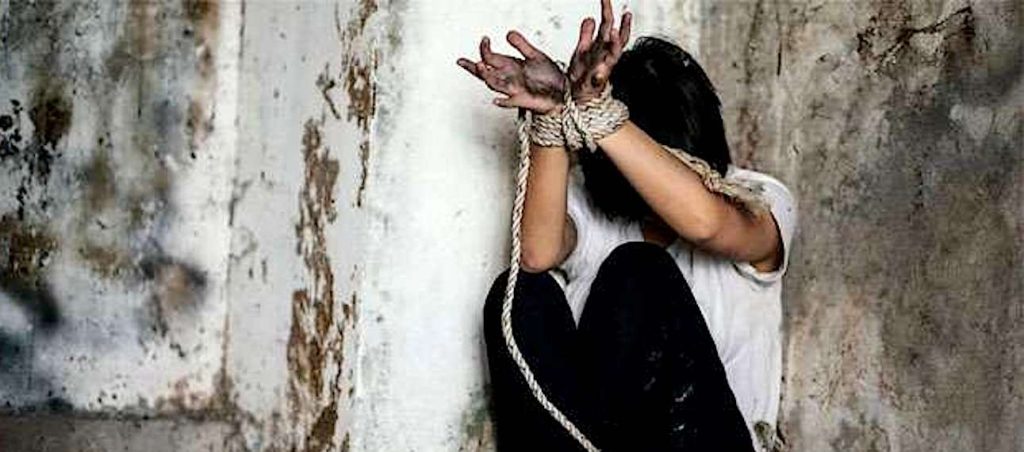
Photo courtesy of HRCSL
In ancient Sri Lanka, barbaric forms of torture were practised by monarchs as cruel and inhuman punishment for enemies and criminals. After Sri Lanka became a British colony, the Kandyan Convention of 1815 was the first attempt to eradicate torture. In modern times, Article 11 of the 1978 constitution states that no person shall be subject to torture or to cruel, inhuman or degrading treatment or punishment. This is a fundamental right that applies equally to all citizens including criminals.
The UN Subcommittee on Prevention of Torture (SPT) is currently in Sri Lanka, seven years after its last visit, to assess whether the authorities have followed through on reforms and strengthened protections for people in detention or other places where they may be deprived of their liberty. The mandate of the SPT is to prevent torture and other cruel, inhuman or degrading treatment or punishment of people deprived of their liberty through visits and recommendations to governments.
“Since our last visit in 2019, the Government of Sri Lanka has designated its national preventive mechanism, which is an important step in torture prevention,” said Aisha Shujune Muhammad, head of the SPT delegation. “In addition to undertaking preventive visits, our upcoming mission aims to evaluate the functioning of the mechanism and to assess how the authorities have implemented our recommendations over the past years,” she added.
Sri Lanka acceded to the Optional Protocol to the Convention against Torture and Other Cruel, Inhuman or Degrading Treatment or Punishment (OPCAT) in 2017. The Human Rights Commission of Sri Lanka (HRCSL) is the designated National Preventive Mechanism (NPM) under OPCAT.
The SPT will conduct unannounced visits to places where people are or may be deprived of their liberty. SPT delegates are meeting government officials, members of the NPM, civil society representatives and other UN agencies, a media release from the Office of the High Commissioner of Human Rights (OHCHR) said.
At the conclusion of the visit, the SPT will present its preliminary observations to the government and the NPM. The delegation will prepare a confidential report containing its findings and recommendations, which will remain confidential unless and until the government requests it be made public. The report issued following the SPT’s 2019 visit has not been made public, the media release said.
The United Nations human rights office, in its 2026 report on Sri Lanka, recorded cases of arbitrary detention, torture and deaths in custody, noting that “the structural conditions that led to past violations persist.” The persistent impunity has led to continued abuses. The report described “routine use of torture and other forms of ill-treatment” and multiple cases of deaths in police custody, as well as “a lack of effective investigation into these cases.” The Human Rights Commission of Sri Lanka reviewed at least 736 torture complaints.
In its progress report of 2022-2025 published this month, the NPM said it had conducted regular, ad hoc, short notice inspection visits to places of confinement including closed prisons, overcrowded remand centres, police holding cells, child care institutions, drug rehabilitation facilities, mental health hospitals, immigration detention centres, residential elders’ homes and military detention facilities. The visits enabled the commission to evaluate living conditions, scrutinise administrative registries and engage in confidential, dialogue with detainees away from institutional surveillance, allowing it to identify systemic shortcomings and formulate recommendations to prevent torture and ill-treatment before they occur, the report said.
The findings of the report highlighted several human rights concerns that demanded immediate attention including prison overcrowding, structural vulnerabilities in child care institutions, a lack of specialised psychosocial programming and systemic procedural deficiencies within drug rehabilitation and immigration detention networks.
However, the report pointed out that the NPM’s interventions had resulted in correcting infrastructural defects, upgrading sanitation and healthcare access, reinforcing procedural safeguards like Torture and Assault Registers and advancing the fundamental rights of vulnerable populations including women, minors and foreign nationals.
The Right to Life Human Rights Centre is a civil society organization assisting survivors of police torture, disappearances and other fundamental rights violations. Lawyer Dulan Dasanayaka, Director of the centre, answered questions about the importance of the subcommittee’s visit and why torture is difficult to eradicate.
Why is the visit of the UN subcommittee important at this time?
First, this visit is important because it is a scheduled visit under OPCAT. It is also significant because it is taking place after a gap of seven years. Sri Lanka has many different types of detention facilities. Prisons and remand prisons are managed by the Department of Prisons while some detention centres are operated by the Army, Navy, Special Task Force (STF), Bureau of Rehabilitation, Immigration Department and drug rehabilitation authorities. In addition, persons detained under the Prevention of Terrorism Act (PTA) are often held under the supervision of the CID and TID. Each of these detention systems faces different challenges and has been the subject of various allegations. Therefore, an independent visit by the SPT is extremely important to assess conditions, identify shortcomings and encourage reforms. The visit is also important for reviewing the effectiveness of the NPM. The HRCSL is the key institution responsible for implementing the NPM. However, we have not seen sufficient progress in strengthening and operationalising this mechanism. Therefore, monitoring and guidance from the SPT are necessary.
Do you think its visit can lead to an improvement in the current situation?
Yes. Even if the progress is gradual, I believe this visit can contribute to positive change. International monitoring often encourages authorities to improve conditions and strengthen accountability mechanisms. In particular, I expect that the NPM will receive greater attention and that its implementation will improve following the visit. The recommendations of the SPT can provide a roadmap for reforms and help strengthen safeguards against torture and ill-treatment.
According to information gathered by Right to Life, has the incidence of torture declined after this government came into power?
Based on the information and statistics collected by our organization, we have not observed a significant decline in incidents of torture since the new government came into power. Torture and ill-treatment continue to be reported and more effective measures are needed to address the problem.
Why is it so difficult to eradicate torture in Sri Lanka?
There are several reasons. One of the main issues is the lack of effective implementation of existing laws. Sri Lanka has legal protections against torture but enforcement remains weak. Other contributing factors include the misuse of legal powers by some law enforcement officers, social attitudes that tolerate abusive practices, economic pressures, barriers to accessing justice and lengthy delays in the legal system. When accountability is weak and justice is delayed, abusive practices can continue with little deterrence.
Are there significant cases of torture in prisons?
Compared to police custody, we receive fewer direct complaints of torture from prisons. However, severe overcrowding, poor living conditions, inadequate facilities and lack of access to essential services can amount to cruel, inhuman or degrading treatment. There have also been allegations that some detainees face physical abuse during admission procedures and initial security checks. These concerns require proper investigation and monitoring. There have been serious allegations of torture and ill-treatment in rehabilitation centres, particularly at Kandakadu. This is deeply concerning and regrettable.
Is there now more awareness about the illegality of torture among lower level police officers since the easiest way to gain a confession is through torture?
The use of torture to obtain confessions is an outdated and ineffective method of investigation. In many cases today, torture is not primarily used to obtain confessions but rather as a means of exerting control, intimidation, punishment or demonstrating authority. There needs to be greater investment in training law enforcement officers on modern, evidence-based investigative techniques, human rights standards and professional policing practices.
Should there be more efforts to raise public awareness so that people can voice their opposition to the use of torture?
Most people already understand that torture is wrong. The bigger problem is not awareness but fear. Many victims and witnesses are reluctant to challenge torture because they lack confidence in existing complaint and accountability mechanisms. They fear retaliation from powerful state actors, including law enforcement officials. To effectively combat torture, Sri Lanka needs transparent, independent and speedy mechanisms that people can trust. When victims are confident that complaints will be handled fairly and safely, more people will be willing to speak out and seek justice.